


Each spin of an online slot, every card dealt in virtual blackjack, and each spin of the roulette wheel relies on the Random Number Generator. For players at UK-facing platforms like spinoboncasino best slots, understanding how RNGs function moves you from blind luck to informed play. This technology is a carefully tested piece of math that generates true randomness within a computer. British regulators demand specific technical rules, and independent testing labs ensure compliance before any real-money bet is accepted. That knowledge provides you with genuine confidence.
How a Random Number Generator Really Works
A gaming RNG represents a computer program that produces a sequence of numbers or symbols that are unpredictable better than pure chance. It initiates with a seed number sourced from something unpredictable in the hardware, like the microsecond timing of a server data packet. A formula then produces millions of values a second. When you press “spin” on a slot at Spinobon Casino, the software fetches the latest number from the stream and translates it to a reel position or card. The result is set in that instant.
The big split is between pseudo-random and true random generators. Nearly all online casino games utilize pseudo-random due to their speed, auditable, and repeatable. A true random solution would need special hardware that measures quantum effects, which is unfeasible for high-traffic gaming servers. Pseudo-random algorithms operate adequately as long as the seed stays unpredictable and the output passes rigorous statistical tests for patterns, bias, and repetition. If a slot displays even a slight bias toward a particular symbol, the game fails to get certified and never reaches the public lobby.
The method Independent Testing Labs Verify Fairness
Before a game shows up in the Spinobon Casino lobby, accredited testing bodies like eCOGRA, iTech Labs, and GLI devote months scrutinizing it. They’re completely independent of casinos and software houses; their whole business depends on impartial checks. Testers start with a full source code review, inspecting every line of the RNG algorithm to confirm it matches the submitted mathematical model. Subsequently they run the game through billions of simulated rounds, document every outcome, and contrast the observed frequencies against expected probabilities using chi-squared tests and other statistical tools.
A slot advertised with a 96.5 percent return to player must return within a statistically acceptable margin over a huge sample. Testers also verify that the game’s internal state can’t be tampered from outside and that the RNG operates after server restarts, network interruptions, and traffic spikes. Once it passes, the game receives a certification seal you can find in the casino footer or help menu. The certificate is not permanent; testing labs perform periodic re-audits and can yank it if the game undergoes an unannounced update. That ongoing oversight keeps the RNG trustworthy years after launch.
Popular Misconceptions That Refuse to Die
Notwithstanding clear certification, a few persistent myths about RNGs still float around. These false beliefs often come from misunderstanding statistical independence and the long-term nature of return-to-player percentages. Trusting them can lead to poor bankroll decisions and frustration. Acquiring the facts straight is a essential part of becoming an informed player.
- “A slot is overdue for a win after a dry spell.” Each RNG output is unrelated. A game that hasn’t paid a bonus in 200 spins has just the same chance of triggering one on spin 201 as it did on spin one. The algorithm has not any memory of past results.
- “Casinos can tighten a game with a flip of a switch.” Changing reel weighting or RNG mapping would need a thorough software update, re-certification by a testing lab, and regulatory approval. The process takes weeks and leaves an audit trail that regulators closely monitor.
- “Bet size or play speed impacts the RNG.” The RNG has zero input channel for bet patterns. Whether a player wagers ten pence or one hundred pounds, the same number stream runs; only the payout multiplier changes.
All these myths share a similar root: the human urge to find patterns in random data. The certified RNG is built to resist any pattern, and the math behind it has been verified by independent experts. Having faith in the certification beats following a hunch every time.
How to Verify an RNG On Your Own as a Player
Players are unable to review source code or perform billion-spin simulations, but you can perform a few hands-on checks that give significant reassurance about an RNG’s integrity. These steps take a couple of minutes and assist build a habit of informed play. The key is to validate the operator’s licensing and the game’s certification rather than trusting anecdotal evidence.
- Look for certification logos. Scroll to the casino footer and find seals from eCOGRA, iTech Labs, or GLI. They need to be clickable and link to a live certificate page on the testing lab’s own domain. A static image that does not link is a red flag.
- Check the UK Gambling Commission licence number. The licence number should be shown prominently, confirming the operator operates under the technical standards that mandate RNG certification. Verify the licence on the Commission’s public register if you need extra peace of mind.
- Examine the game’s paytable or help screen. The theoretical RTP and a brief note about the RNG are commonly listed there. Some providers even release the hash value of the RNG output for each round, enabling retrospective verification.
- Look for the “provably fair” label (where available). Certain niche games, notably on crypto-facing platforms, present cryptographic verification. While not universal, its presence indicates a commitment to radical transparency.
The combination of a visible UK licence, a clickable testing-lab seal, and clear RTP disclosure in the game rules offers a strong chain of trust that the RNG is working as it should.
In what manner RNG Technology Shapes the Player Experience
The standard of an RNG straight influences the atmosphere of a game, although you rarely deliberately reflect on it. A well-implemented RNG creates the organic volatility that keeps slots exciting: groups of small wins, barren periods, and the occasional big hit. If the RNG became biased, the game might seem alternatively frustratingly tight or questionably generous, chipping away at trust gradually. Game designers adjust volatility by tweaking reel mapping and paytables, not by messing with the RNG personally, but the fundamental randomness has to be flawless for those design choices to deliver the intended experience.
The velocity of modern RNGs also permits features unfeasible in a mechanical casino. Megaways slots use the RNG to set the quantity of symbols on each reel for every spin, creating dynamic ways to win. Cascading reels depend on multiple RNG calls during a single paid spin. Even the simple act of shuffling a virtual deck happens in microseconds, permitting faster play than any physical table. This technical efficiency is a big part of online gaming’s allure, but it operates only because the RNG is reliable enough to manage the load without introducing patterns or delays.
RNG systems Throughout Multiple Game Categories
Slots are the most obvious place you encounter random number generation, but the technology exists under every digital game in the lobby. The way the RNG output converts to a result differs between categories, but the core principle remains the same: the moment you click a button, the software grabs the latest random number and turns it into a specific outcome. Seeing these differences helps you understand the fairness mechanisms in each game type.
- Slots: The RNG picks a stopping position for each virtual reel. The spin animation is just for show; the result is already determined on the server before the reels move. Progressive jackpots contribute a fraction of each bet to a pooled prize, but the trigger is still determined by the RNG at the instant of the spin.
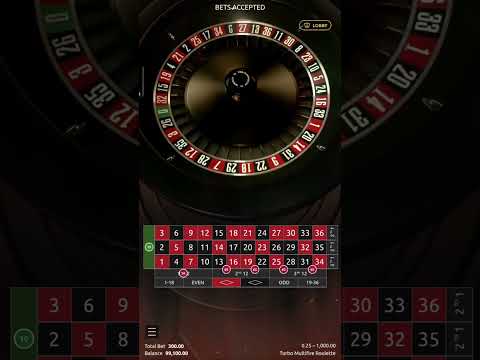
- Table Games: In virtual roulette, the algorithm generates a number from 0 to 36 and the ball animation illustrates that predetermined result. RNG blackjack picks cards from a freshly shuffled virtual deck, where the shuffle itself is a sequence of random swaps driven by the same core algorithm.
- Live Casino Hybrid: Live roulette uses a physical wheel and a real croupier, but some live game-show titles mix physical randomness with digital RNGs for bonus round multipliers or wheel spins on an overlaid interface. Knowing which element is physical and which is algorithmic adds clarity.
Why UK Regulation Demands Transparency
The United Kingdom Gambling Commission applies some of the toughest technical standards for random number generation globally. Licence condition 16 obliges operators to demonstrate that their RNGs are verifiably random and that games are fair. It’s not a loose guideline; it’s a specific legal obligation reinforced by regular audits. Operators must provide RNG technical documentation, including seed generation, algorithm specification, and mapping processes, to an approved testing body. The Commission also insists on transparency so players can check the integrity of the games they play.
- Demonstrable randomness: The RNG must pass statistical tests and be certified by an accredited testing lab. The algorithm and seed generation must be recorded and independently reviewed.
- Player access to information: Each game must present its theoretical return to player percentage, and the rules must plainly explain how outcomes are determined.
- Protection from external influence: The RNG state cannot be impacted by player device characteristics, connection speed, or account status. That means someone on an old smartphone receives the same fair outcomes as someone on a high-end desktop.
For a site like Spinobon Casino, operating under these rules means every game includes a verifiable RTP and a certification badge. The Commission’s remote technical standards also address bonus feature randomness, stipulating that in-game decisions like free-spin multipliers are resolved by the RNG at the moment of trigger, not pre-determined in a way that could favour the house. This regulatory net provides British players a level of protection absent in unlicensed markets.
The role of the starting value and its significance
The seed is the foundation for the entire random sequence, and its randomness is the basis of fairness. If an attacker could guess the seed, they could call every result. Modern platforms provide the algorithm disorder from inputs that are physically impossible to forecast, like heat noise or the unpredictable timing of human activities across a server network. Once the seed is fixed, the algorithm becomes fixed: the same seed always generates the same sequence. That repeatability is a feature, not a defect, because it lets independent testers rerun billions of rounds to verify the behaviour.
For a player at a UK-licensed site, the seed process assures that not the casino nor the game studio can adjust individual results. The provider can’t make tighter a slot during peak hours or make looser it for new sign-ups, because the RNG has no idea about bet size, account balance, or time of day. The algorithm just executes its mathematical function with no interference from the commercial layer. That isolation is a core condition of the Gambling Commission. Any meddling with the seed or the translation of numbers to results leads to immediate permit withdrawal and heavy economic sanctions.
What Lies Ahead for Casino Randomness
The next frontier for casino RNGs involves quantum random number generation and blockchain-based verification. Several research groups are exploring quantum optics setups that track photon arrival times to create true randomness at the hardware level. While cost and complexity remain barriers to widespread use, the technology offers randomness that is provably unpredictable even in theory. The UK Gambling Commission has signalled openness to evaluating quantum RNGs under its existing technical framework, so some British operators may ultimately adopt this approach.
Blockchain integration pursues a different path, concentrating on post-game verification rather than the source of randomness. In a blockchain-audited system, every spin result is hashed and recorded on a public ledger, allowing any player check that an outcome wasn’t changed after the fact. This does not substitute for the need for a certified RNG, but it provides a layer of transparency that appeals to people familiar with open-source software. As these technologies develop, the core principle remains unchanged: randomness is the bedrock of fair gaming. Whether generated by a pseudo-random algorithm, a photon detector, or a hybrid system, the RNG will stay the silent engine behind every spin, deal, and roll at UK-facing casinos.